



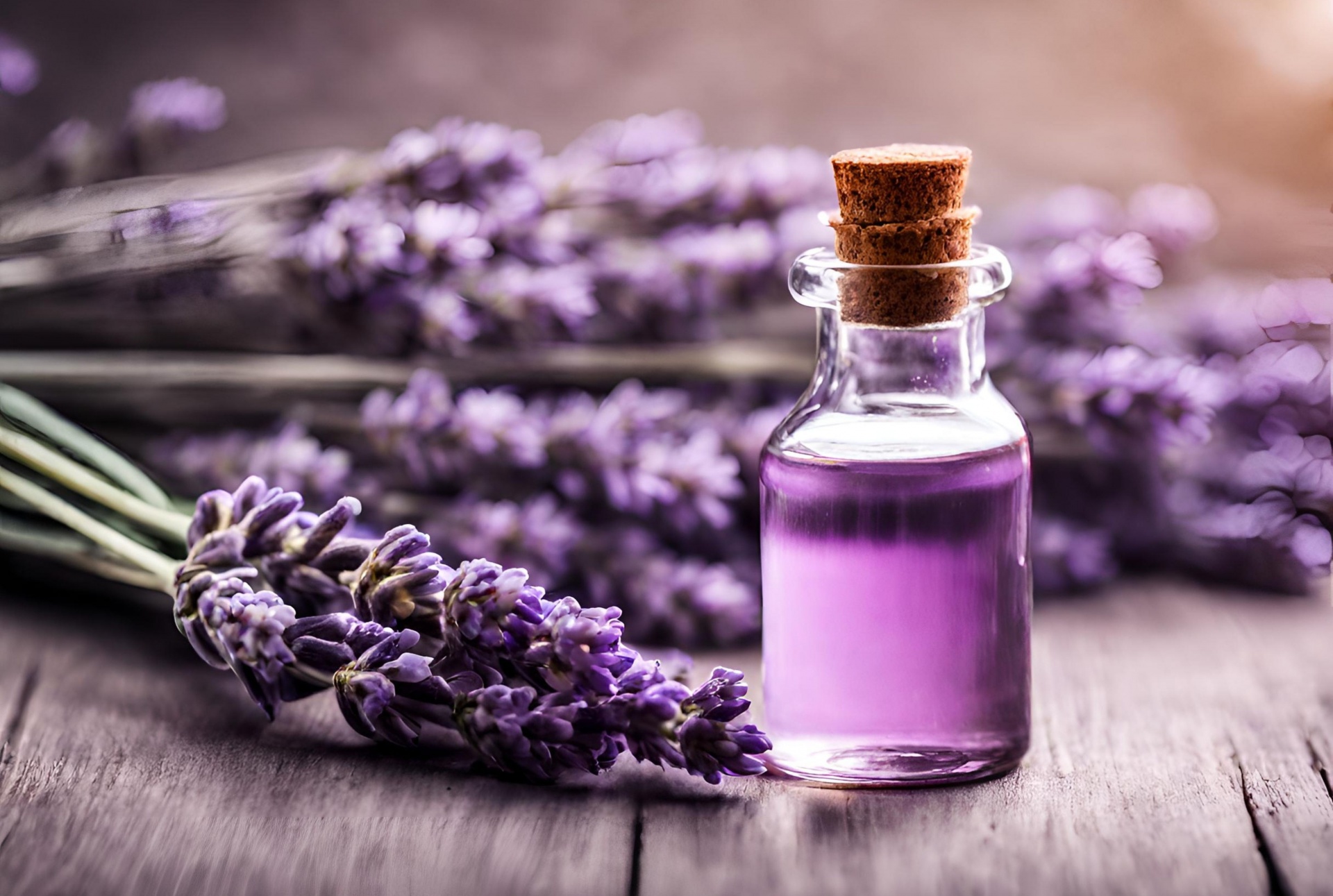
For thousands of years, humans have known that plants carry a concentrated “essence” that can be extracted – a small aromatic liquid that holds the intensity and potency otherwise spread across large quantities of leaves, flowers, or roots. This liquid is what we now call an “essential oil” or a “pure botanical extract.”
The Difference Between Essential Oils and Botanical Extracts
Although the two terms are sometimes used interchangeably, there is a fundamental difference:
- Essential Oil: A volatile compound typically obtained through steam distillation, containing the plant’s natural aromatic compounds without added solvents.
- Botanical Extract: May include non-volatile compounds as well (such as pigments or antioxidants), and is sometimes obtained using solvents like alcohol or carrier oils.
Both aim to concentrate a plant’s natural properties, but they differ in application and chemical composition.
Why Do Plants Produce These Compounds in the First Place?
Plants produce aromatic compounds as part of their natural defense mechanisms – to repel insects, attract pollinators, or adapt to harsh environmental conditions. These same compounds are what give an essential oil its distinctive scent and, in many cases, its therapeutic or cosmetic properties.
The Origins of the Industry
Botanical extraction dates back to ancient civilizations that used primitive pressing and distillation methods, before the industry evolved with scientific advancement into a precise field governed by quality standards and chemical analysis – ensuring product purity and batch-to-batch consistency.
Conclusion
Understanding the differences between extract types, and how they form naturally, is the first step toward appreciating the value of every drop of pure essential oil – something we take seriously at every stage of our production process.