



Before a single drop of essential oil reaches its bottle, it travels through a precise journey – starting the moment the plant is harvested, and passing through several stages that determine the final product’s quality.
1. Timing: The Moment of Harvest Makes All the Difference
The concentration of aromatic compounds in a plant changes with the season, the time of day, and even the plant’s growth stage. Harvesting at the wrong time can mean a significantly weaker extract, even from the exact same plant.
2. Core Extraction Methods
- Steam Distillation: The most common method, where steam passes through the plant material, carrying the volatile aromatic compounds with it. The steam is then cooled and condensed, separating the oil from the water.
- Cold Pressing: Often used for citrus peels, where the oil is extracted mechanically without heat, preserving compounds sensitive to temperature.
- Solvent Extraction: Used for delicate materials that can’t withstand heat or pressure, producing what is sometimes known as an “Absolute.”
3. Separation and Purification
After extraction, the oil goes through a careful separation process to remove water or secondary components, followed by purification to ensure it’s free of impurities or residue.
4. Analysis Before Approval
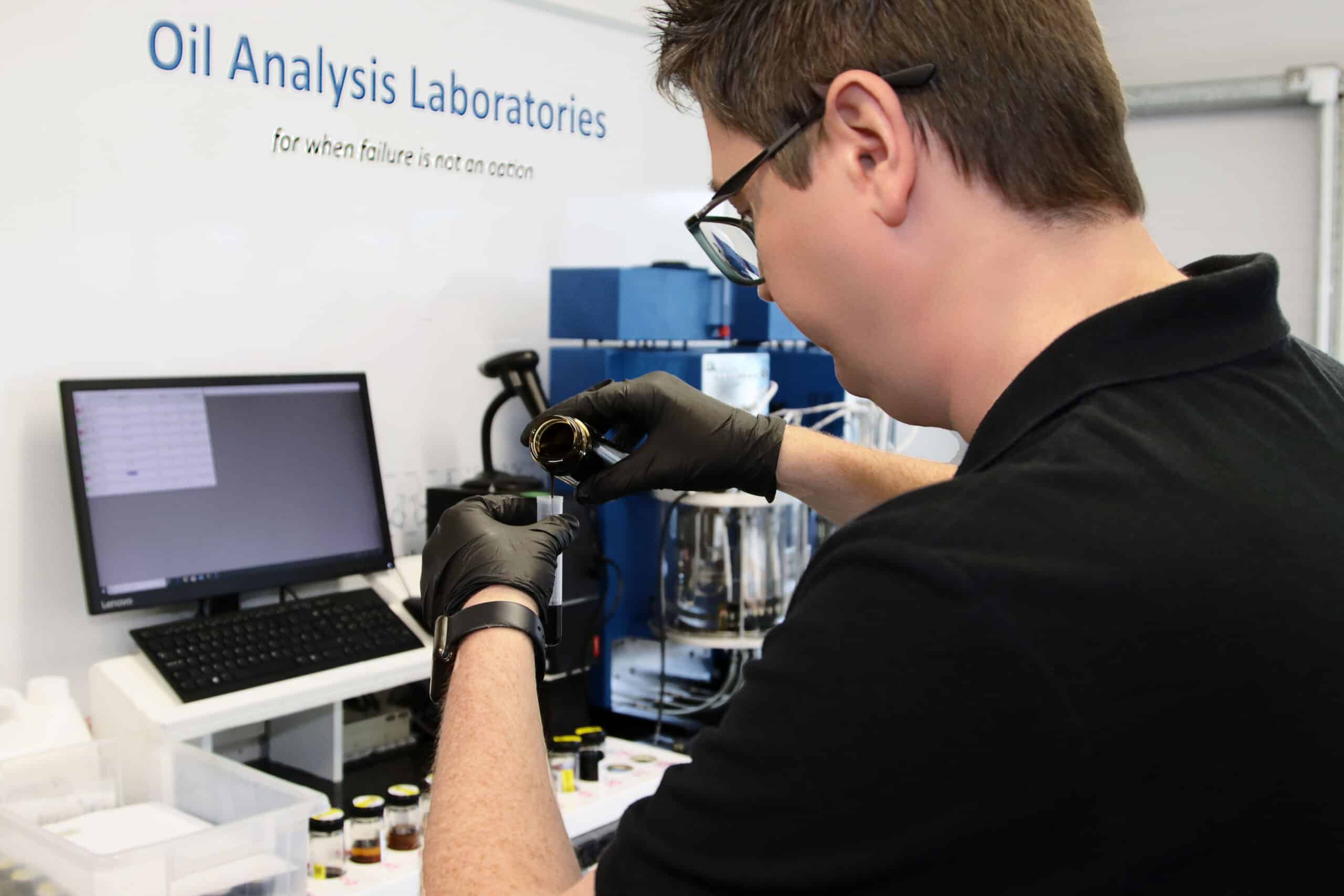
No extract is considered “ready” until it undergoes laboratory analysis that documents the actual compound ratios and compares them against recognized international standards – ensuring consistent quality from batch to batch.
Conclusion
Every bottle that reaches you carries behind it a chain of precise decisions – from the moment of harvest to the extraction method used – and that’s exactly what separates an ordinary product from one trusted worldwide.